
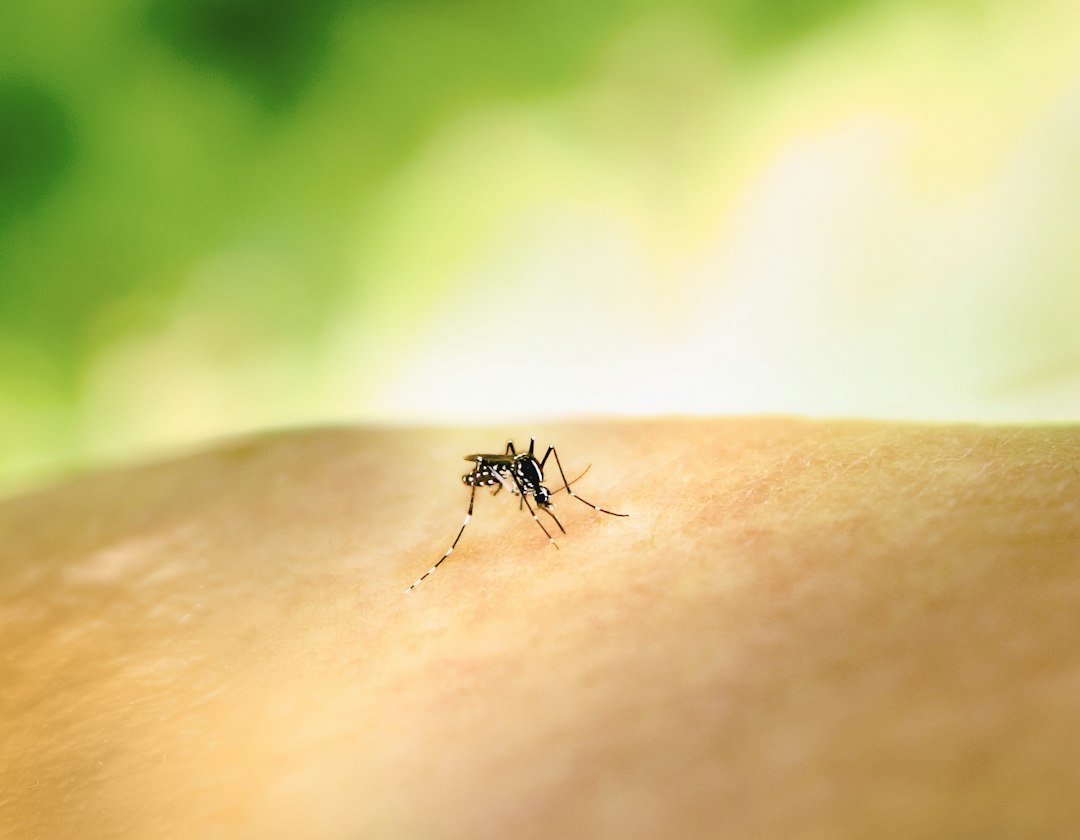
Mosquito repellent bracelets are wearable bands marketed to help keep mosquitoes away. They can be convenient, but they are not all the same, and their protection is usually limited. This guide explains how they work, what affects effectiveness, safety considerations, and how to use them sensibly with other mosquito-bite prevention steps.
What Are Mosquito Repellent Bracelets?
These are wristbands or ankle bands made from silicone, fabric, or similar materials. Some are infused with a repellent, while others use refillable pods, cartridges, or drops. Many rely on essential oils or scented ingredients. The idea is that the band releases a vapor or scent that forms a small protective zone around the wearer.
Protection depends on the ingredient, concentration, release rate, fit, weather, and how much skin is exposed. A bracelet is not the same as a repellent applied directly to the skin, and it does not create a full-body barrier.
How They Are Supposed to Work
Most bracelets release a scent or vapor intended to deter mosquitoes near the band. This may reduce some landings or bites for a short time, but the effect is local. Mosquitoes can still bite uncovered skin away from the bracelet, such as the legs, neck, face, or back.
Because the product is not spread over the skin, it cannot provide the same kind of coverage as a topical repellent. This is an important limitation to understand before relying on a bracelet outdoors.
Types of Bracelets
- Infused bands: repellent is built into the material. Protection may fade over time and with exposure to air, sweat, or water.
- Refillable bands: use replaceable cartridges or drops. Follow the refill instructions and replacement schedule.
- Essential-oil bands: often have a strong scent. Their effect may be short-lived and can vary widely.
- Adjustable or children’s bands: sized for a closer fit. Adult supervision is still needed for young children.
How Effective Are They?
Evidence is mixed. Some products may reduce mosquito landings or bites for a short period in a small area, but studies generally show that wristbands are less reliable than approved topical repellents and other proven prevention methods. Effectiveness can drop with sweating, rain, wind, heat, and long wear. Scented bands may lose strength quickly.
In areas with high mosquito activity or disease risk, do not depend on a bracelet alone. Treat it as a possible add-on, not a primary defense.
Factors That Affect Performance
- Ingredient and concentration: products vary, and label claims are not all equal.
- Release rate: a fast release may create a strong initial scent but shorter useful protection.
- Fit: a loose band may not keep repellent close to the skin, while a tight band can be uncomfortable.
- Environment: sweat, water, wind, and heat can reduce the effect.
- Exposed skin: bracelets do not protect the whole body.
- Mosquito species: different species respond differently to repellents.
Safety Considerations
Treat bracelets like repellent products, not toys. Read the label and follow all age and use instructions. Keep them away from young children who might chew or swallow them. Do not place them on broken skin or over wounds. If irritation occurs, remove the band and wash the area.
People with sensitive skin, allergies, or breathing conditions should be cautious with strong scents. Pregnant people and anyone with medical concerns should ask a healthcare professional when unsure. Do not rely on a bracelet to prevent disease; use layered protection instead.
For Children
Use adult supervision, check the fit, and make sure the child cannot chew or remove the band easily. Remove it if the child complains of irritation or a strong smell. Do not let children handle refills without help.
For Pets
Do not place human repellent bracelets on pets unless a veterinarian says it is safe. Animals may chew them, and some ingredients can be harmful.
How to Use a Bracelet More Safely and Effectively
- Read the full label before first use.
- Test on a small area if you have sensitive skin.
- Wear it as directed, usually on the wrist or ankle, but do not assume it protects nearby skin.
- Keep refills sealed and out of reach of children and pets.
- Replace or refill at the stated interval, especially after water exposure.
- Remove it if it causes irritation or a strong unpleasant reaction.
- Combine it with other methods for better coverage.
What to Look For When Choosing
- Clear ingredient and duration information.
- Age guidance and safety warnings.
- Adjustable, comfortable fit.
- Refill availability if reusable.
- Realistic claims; avoid products promising complete protection.
- Return policy and contact information for questions.
Better Ways to Reduce Mosquito Bites
Bracelets can be part of a routine, but they work best as a backup. Use approved topical repellents on exposed skin according to label directions. Wear long sleeves and pants when possible. Use screens or nets in sleeping areas. Remove standing water around the home. Keep outdoor areas tidy. In high-risk areas, follow public health guidance.
If you are traveling to an area with mosquito-borne disease, plan protection before you go. Pack suitable clothing, bedding protection, and repellent products that match the conditions.
Common Questions
Do bracelets keep mosquitoes away from the whole body?
No. Protection is usually local and may be incomplete. Mosquitoes can bite uncovered skin away from the band.
How long do they last?
It varies by product and conditions. Some may last hours, while others claim days or weeks. Sweat, water, heat, and wind can shorten useful protection. Follow the label replacement guidance.
Can I use a bracelet instead of spray or lotion?
For reliable protection, no. Treat bracelets as an add-on, not a replacement, especially where mosquito activity is high or disease is a concern.
Are essential-oil bracelets safe?
Many people tolerate them, but essential oils can irritate skin or cause reactions. Keep them away from eyes, mouth, broken skin, and children who may chew them. Follow label warnings.
Can I wear one while sleeping?
Only if the label allows it. For sleeping, use bed nets, screens, or other suitable protection. A bracelet alone may not prevent bites during sleep.
Bottom Line
Mosquito repellent bracelets are convenient wearable products that may offer limited, local protection for a short time. They are not a guaranteed full-body solution and should not replace proven bite-prevention steps. Choose a clearly labeled product, follow safety instructions, and combine it with topical repellents, clothing, screens, and standing-water control. Used with realistic expectations, a bracelet can be a small part of a sensible mosquito-prevention plan. For more practical guides like this, explore related articles on outdoor safety, pest control, and home maintenance.